Reducing waste, saving materials and improving thermal performance: these are the challenges facing Abdelhak Kaci, a teacher-researcher at the L2MGC laboratory, and leader of the SCI-MGS (Système Constructif Innovants à Base de Matériaux Géosourcés) project. By overcycling earth through additive manufacturing, his research is paving the way for more ecological solutions in the construction sector.
Could you describe yourself in a few words?
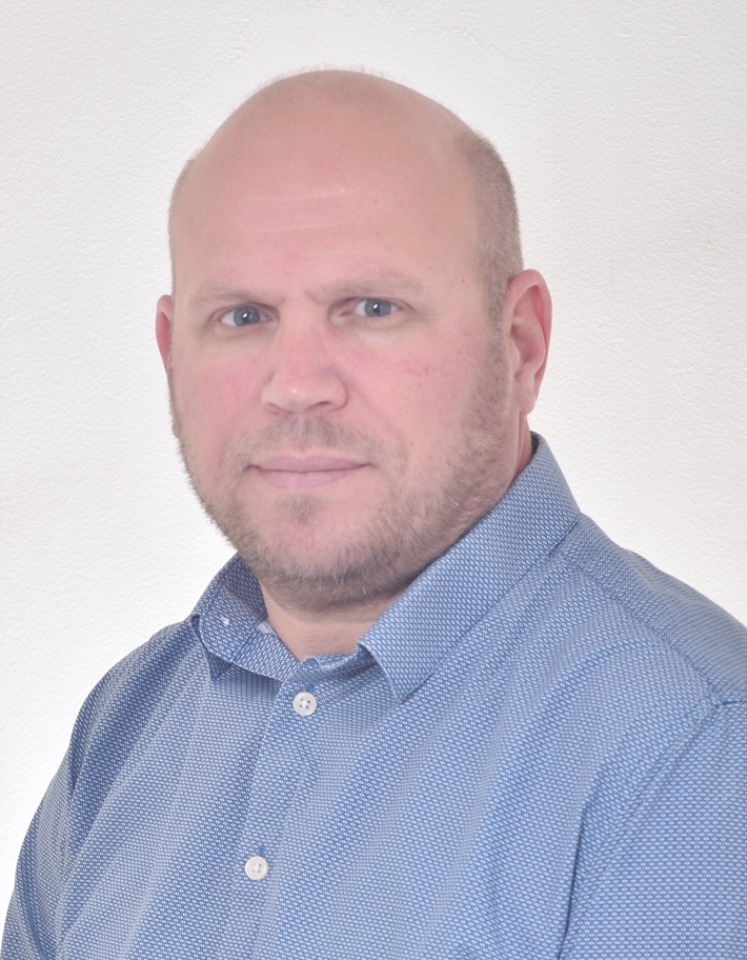
Abdelhak Kaci, teacher-researcher, head of the rheology unit at the Mechanics and Materials for Civil Engineering Laboratory (L2MGC). My research activities address the challenges of ecological (formulation of eco-materials) and digital (3D printing, use of AI...) transitions.
Could you present your technology and at what stage is it (TRL)?
Production of building materials 3D printing (additive manufacturing)) represents a major challenge and is attracting growing interest among manufacturers because of the various advantages it can offer, particularly in terms of waste reduction, design freedom and speed of execution. The prototype developed in the L2MGC laboratory (BK3D), combined with our expertise in rheology, enables us to extrusion print all types of concentrated suspensions. These advances are at TRL 3-4. They will enable us to reach new milestones, with the medium-term aim of scaling up to industrial production.
How is this technology valued?
Work on this technology has been supported by several projects (CODIMP4D, IA4CEM, REV 3D...) and currently a pre-maturation project as part of the SCI-TY with SATT ERGANEO called SCI-MGS. At the end of this project, we aim to propose a construction system based on geo-sourced materials obtained by 3D printing, but also to develop a quality control methodology of the product with a view to off-site production (prefabrication).

Thanks to Abdelhak Kaci for this interview and his explanations.